

Can You Stop Botox Once You Start?
If you are considering anti-wrinkle injections for the first time, one question tends to come up more than any other: what happens if I want to stop? It is a sensible thing to ask before committing to any treatment. The short answer is that you can stop Botox whenever you like, and your face will not suddenly age faster or look worse than it would have done without treatment.
In this guide, we explain what actually happens when treatment ends, why the myths around stopping are so persistent, and how to make a decision that feels right for you.
Can You Stop Botox at Any Time?
Yes. Botox is not addictive, and your body does not develop a physical dependency on it. There are no withdrawal symptoms, and there is nothing you need to do medically to “come off” it.
Botulinum toxin works by temporarily relaxing the specific muscles responsible for expression lines, such as frown lines, forehead lines and crow’s feet. Over time, the nerve endings form new connections and the muscles gradually regain their full movement. For most people, this takes around three to four months, although it varies from person to person. You can read more about the typical timeframes in our guide on how long anti-wrinkle injections last.
In practical terms, stopping simply means not booking your next appointment. The effects will fade naturally on their own.
What Happens to Your Face When You Stop Botox?
Your muscles slowly regain movement
Once treatment wears off, movement returns gradually rather than overnight. Over a few weeks, you will notice your expressions becoming more animated again, and the lines that had softened will start to reappear as the muscles contract as they did before. For a closer look at this process, our article on what happens when Botox wears off separates the common myths from reality.
Will my wrinkles come back worse?
This is the biggest worry we hear in clinic, and the answer is no. Stopping treatment does not cause rebound wrinkling or accelerate ageing. Your skin continues to age naturally whether you have treatment or not, so what you see after stopping is essentially the face you would have had anyway.
Some people feel their lines look more noticeable because they have become used to a smoother appearance. That is a change in perception rather than a change in the skin itself. The contrast can feel striking at first, but it settles as you readjust to your natural expressions.
Why Do So Many People Believe Botox Is Hard to Stop?
A lot of the confusion comes from the way people talk about treatment online. Phrases like “once you start, you can never stop” circulate widely, but they usually describe a preference rather than a medical reality. Many patients choose to continue simply because they are happy with their results.
Another factor is poorly planned treatment. When dosing or placement is not tailored to the individual, surrounding muscles can sometimes compensate, which may create unexpected lines or an unnatural look. This is one reason why choosing an experienced, medically trained practitioner matters so much. Dr Apul Parikh sits on the Faculty Board for Allergan Aesthetics and trains other practitioners in facial anatomy and injection technique, so every treatment plan is built around how your individual muscles move.
Can Regular Treatment Have Lasting Benefits?
Interestingly, consistent treatment over time may offer some benefits that linger after you stop. While the muscles are relaxed, the skin is not being folded along the same creases thousands of times a day. For some patients, this means fine lines become less deeply etched than they might otherwise have been.
Muscles that are used less can also become slightly less bulky with long-term treatment, so some people find they need treatment less often over the years. These effects vary, and they are not a reason to start treatment on their own, but they help explain why stopping rarely leaves people worse off. If you are wondering when it makes sense to begin in the first place, our guide on what ages are typically prescribed Botox covers this in more detail.
What About Masseter and Jawline Treatment?
Stopping works slightly differently when treatment is used for the jaw muscles. Masseter treatment is often used to slim a square jawline or to ease the effects of teeth grinding. If you stop, the masseter muscle will gradually rebuild its strength and size over several months, so the jawline may return to its previous width. Any grinding or clenching symptoms may also return.
Again, nothing happens suddenly, and there is no harm in stopping. You can find out more about how this treatment works in our article on masseter Botox for jawline slimming and teeth grinding.
Common Reasons Patients Take a Break
People pause or stop treatment for all sorts of reasons, and every one of them is valid. Some of the most common include:
Pregnancy and breastfeeding: treatment is not recommended during these times, so many patients take a planned break.
Lifestyle or budget changes: priorities shift, and treatment should always fit comfortably into your life.
Wanting more natural movement: some patients simply want to see their full expressions again for a while.
Health or medication changes: certain conditions or medicines may affect suitability, which is why we always review your medical history before every appointment.
If you decide to return to treatment later, you can. A consultation allows us to reassess your skin and muscle activity and adjust your plan accordingly.
Do You Need to Stop Gradually?
What Are the Alternatives If You Stop?
If you want to step away from wrinkle-relaxing injections but still care for your skin, there are other options. Skin boosters can improve hydration and skin quality, while microneedling supports collagen production and texture. Daily SPF and a good skincare routine remain the foundation of any long-term approach.
It is worth remembering that different treatments address different concerns. Our guide to Botox vs dermal fillers explains how lines caused by movement differ from those caused by volume loss, which can help you understand which approach suits your needs.
Can You Change Your Mind on the Day of Treatment?
Absolutely. Feeling unsure, nervous or simply not ready is completely normal, and you are never under any obligation to go ahead. Your consultation is there to give you time to ask questions, understand what is involved and make a decision you feel comfortable with. If you arrive and decide you would rather wait, that is perfectly fine.
What if you want to stop partway through?
You can ask to pause or stop at any point during your appointment. Your practitioner will listen, check how you are feeling and talk you through your options without any pressure.
It is worth knowing that stopping partway can sometimes leave results looking uneven. For example, if only one side of the forehead or one set of crow’s feet has been treated, the difference in movement may be noticeable until the product wears off. In this situation, Dr Parikh will explain what to expect and, if you are happy to, discuss whether a small amount of balancing treatment would help. The choice remains entirely yours.
If anxiety about injections is holding you back, our article on whether Botox hurts and our guide on what to expect before, during and after treatment may help put your mind at ease.
A Note on Botox and UK Advertising Regulations
Botox is a brand name for a prescription-only medicine containing botulinum toxin. Under UK advertising regulations, prescription-only medicines cannot be promoted or advertised directly to the public. Throughout this blog, we use the term “Botox” in an informational and educational context only, as it is the name most people recognise when searching for anti-wrinkle treatments.
The suitability of any prescription treatment, including Botox, can only be determined during a face-to-face consultation with a qualified prescribing practitioner. At Apul Parikh Clinic, all treatment options are discussed in detail during your consultation so you can make a fully informed decision.
Remember, You Are Always in Control of Your Treatment
You can stop Botox at any time. The effects fade gradually over a few months, your lines return to how they would naturally have looked, and there is no rebound effect or accelerated ageing. Many patients continue simply because they enjoy their results, while others take breaks for pregnancy, lifestyle changes or personal preference. Whatever you choose, the decision is always yours.
If you are considering anti-wrinkle treatment, or you would like to talk through pausing or restarting, get in touch with Dr Apul Parikh to book a consultation at our London clinic. You will receive honest, personalised advice so you can decide with confidence.

Non-Surgical Neck Rejuvenation in London: What Are Your Options?
The neck often shows its age before the face does, yet it is the area most people overlook. In this guide, Dr Apul Parikh explains what is really driving neck ageing and walks through the non-surgical options available in London, from skin boosters to collagen-stimulating injectables.
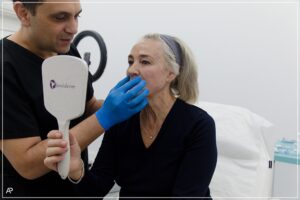
How to Choose an Injector in London: The Questions Worth Asking
The things that separate a safe injector from a risky one are rarely visible on a website. Six direct questions worth asking before you book injectables in London.

Apul Parikh Clinic Named Best Injectable Treatments Clinic 2026 – London at the Global Excellence Awards
We are delighted to announce that Apul Parikh Clinic has been named Best Injectable Treatments Clinic 2026 – London at the Global Excellence Awards. Here is what this recognition means for our patients, for practitioners considering training with Dr Apul, and for anyone deciding where to have injectable treatments in London.
How Long Do Blepharoplasty Results Last?
Blepharoplasty is one of the most enduring procedures in aesthetics, with upper eyelid results often lasting ten years or more and frequently considered permanent. Discover what influences the longevity of your results and how to maintain your refreshed appearance for years to come.
What to Expect Before, During and After Blepharoplasty in London
If your eyes look tired even when you feel well rested, blepharoplasty could help. This complete guide walks you through the entire eyelid surgery journey, from your first consultation and preparation, through a comfortable procedure under local anaesthetic, to recovery and long-lasting results. Find out exactly what to expect at every stage so you can take your next step with confidence.
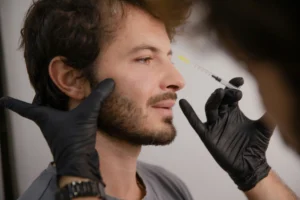
The Most Popular Areas Men Get Anti-Wrinkle Injections in London
From forehead lines and frown lines to jawline definition, masseter slimming, and hyperhidrosis treatment, this guide walks through the most popular treatment areas for men in London. Dr Apul Parikh, who sits on the Faculty Board for Allergan Aesthetics, shares his expert approach to tailoring treatments for male facial anatomy and delivering natural, masculine results.